
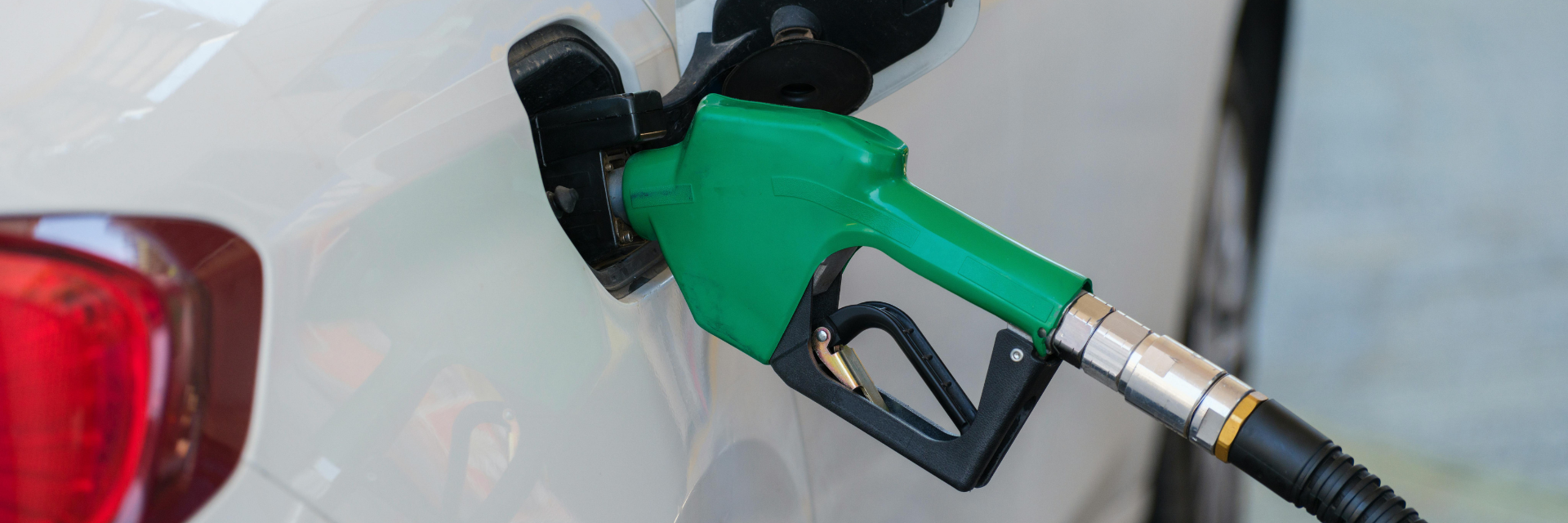
Fuel duty furore has returned. Ignited by rising prices in the wake of conflict in the Middle East, the backlash is as charged and controversial as ever. Rising petrol costs always trigger a political firestorm – understandably so. Prices at the pump are one of the most visible pressures on household finances and carry real symbolic weight.
Yet, there still seems to be little willingness in government to bring the 5p cut back.
Fiddling with fuel duty is a saga all of its own. The latest pressure to reverse the scheduled 5p rise in September, is just another episode in a long running series of controversies. Successive Chancellors have repeatedly chosen to extend the freeze, to the dismay of many economists. In November, they hailed the decision to draw a line under that approach and finally raise fuel duty.
And yet here we are again, with pressure building and the same questions back on the table.
Fiscal pressures are almost certainly behind any hesitancy. But it’s not just that the public finances are tight – the problem is structural.
The transition from petrol and diesel cars to EVs is steadily eroding fuel duty revenues. With more people going electric, and the Government’s ban on new petrol and diesel car sales due to come into force in the 2030s, this problem is not going away. If anything, it is accelerating.
While the pace of change has been gradual, it is now starting to show up on the nation’s balance sheet. That trade‑off drove the decision both to raise fuel duty and to move towards pay‑per‑mile charging for EVs. It is also why the Chancellor would much prefer not to perform another U‑turn.
Extending the freeze would carry a clear price tag. Keeping it in place is estimated to cost around £3.6bn a year between 2027‑28 and 2030‑31. But that figure does not exist in isolation. The ongoing instability in the Middle East will weigh on both growth and inflation, compounding existing pressures. Against that backdrop, the £24bn in headroom the Chancellor could claim only a short time ago looks far less secure.
Another critical factor in the calculus is credibility. Doubts have already been raised about whether the Government’s spending plans are genuinely viable, fiscally and politically. Current plans assume large tax rises in 2028 and 2029 – right up against an election – and any sizeable U‑turn on fuel duty would only add fuel to the fiscal fire. It could even necessitate further tax rises.
On top of that, current plans imply a 4.4 percent real‑terms cuts to 40 percent of day-to-day spending over the coming years. With all this in mind, the public finances start to look as stretched as they’ve ever been.
Fuel duty, however, comes with its own credibility problems. Previous governments have been accused of silly game playing and fiscal sleight of hand: pencilling in the end of the freeze to satisfy fiscal rules on paper, only to extend it yet again when the politics bite.
The Chancellor had hoped the previous Autumn Budget had consigned the fiscal speculation to the past. Yet the events of the past 10 days have brought this right back to the fore. £24bn in headroom is still only around three-quarters of the historical buffer Chancellors typically allow themselves. In a time of heightened uncertainty, maintaining this limited headroom may mark a return to the speculation and brinkmanship that has defined fiscal policy recently.
This will be at the heart of discussions on fuel duty in the Government, and history suggests we already know how it ends.
Failing to confront the structural challenge of declining fuel duty revenues, while the wider fiscal position weakens, may cause more problems than it solves. Yet, the cost of living pressures that accompany large rises in oil and fuel prices are undeniable. Voters will notice. For some households, the impact will feel insurmountable. That is exactly why another supposedly “one last” fuel duty freeze remains so hard for any Chancellor to resist.